
01
Multi-tenancy
Organisations, members and per-tenant data isolation enforced at the database with row-level security.
- Org model
- RLS
- Data isolation
Build a SaaS that survives success
SaaS development at Oxwyn Studio means building a paying software-as-a-service MVP on Next.js and Postgres with multi-tenancy, Stripe subscription and seat-based billing, role-based access control, feature gating and product analytics designed in from the first commit, so the product can safely take money and scale past its first hundred customers without a rewrite.
SaaS control plane
Monthly recurring revenue
$48,200
Active orgs
1,284
Seats in use
6,910
Plan distribution
Activity stream
R&D pipeline
Each foundation is designed in deliberately, in order, so the product can take money on day one and grow without a rewrite later.
Why you need this
Pain 1
Plans, seats, trials, proration, invoicing and access rules all have to land at once, on top of code never designed for them, while real customers are already using the app.
Pain 2
One customer seeing another's data is the single worst SaaS failure. It ends trust, contracts and often the company. Bolted-on tenancy almost always has a gap.
Pain 3
Pricing, onboarding and retention run on hunches. You cannot see activation, where trials stall, or which features drive upgrades, so growth decisions are guesses.

Where it starts
Every SaaS starts as a drawing. We make sure it survives contact with real customers.
MRR & billing simulator
Subscriptions, seats and metered usage compound fast. This is the exact billing model we wire in with Stripe, so the numbers below are revenue the app can actually charge and collect.
Monthly recurring revenue
£15,360
£184,320 annual recurring revenue
Bespoke billing handles all of this, seats, proration, trials and metered usage, without breaking when a customer upgrades mid-cycle. That is the part prototypes skip.
Illustrative model. Real MRR depends on churn, discounts and plan mix, all of which the billing system we build tracks for you.
The method
A repeatable build path: model multi-tenancy first, wire Stripe billing, add roles and gating, instrument the funnel, then launch the paying MVP with a runbook your team can operate.
01
Pick the isolation model, design the org and membership schema, and enforce it with row-level security before any feature is built.
02
Connect Stripe for subscriptions, seats and metered usage, with idempotent webhooks that keep entitlements in sync.
03
Build role-based access, team invites and feature gating so plans, permissions and limits are enforced everywhere.
04
Capture activation, retention and feature-usage events, and build the admin console to support and understand customers.
05
Ship the paying MVP, watch real usage, and harden the parts that take live load, with a runbook your team can operate.
Multi-tenant isolation
Every query scoped at the database, not just in app code
What's included
What you receive
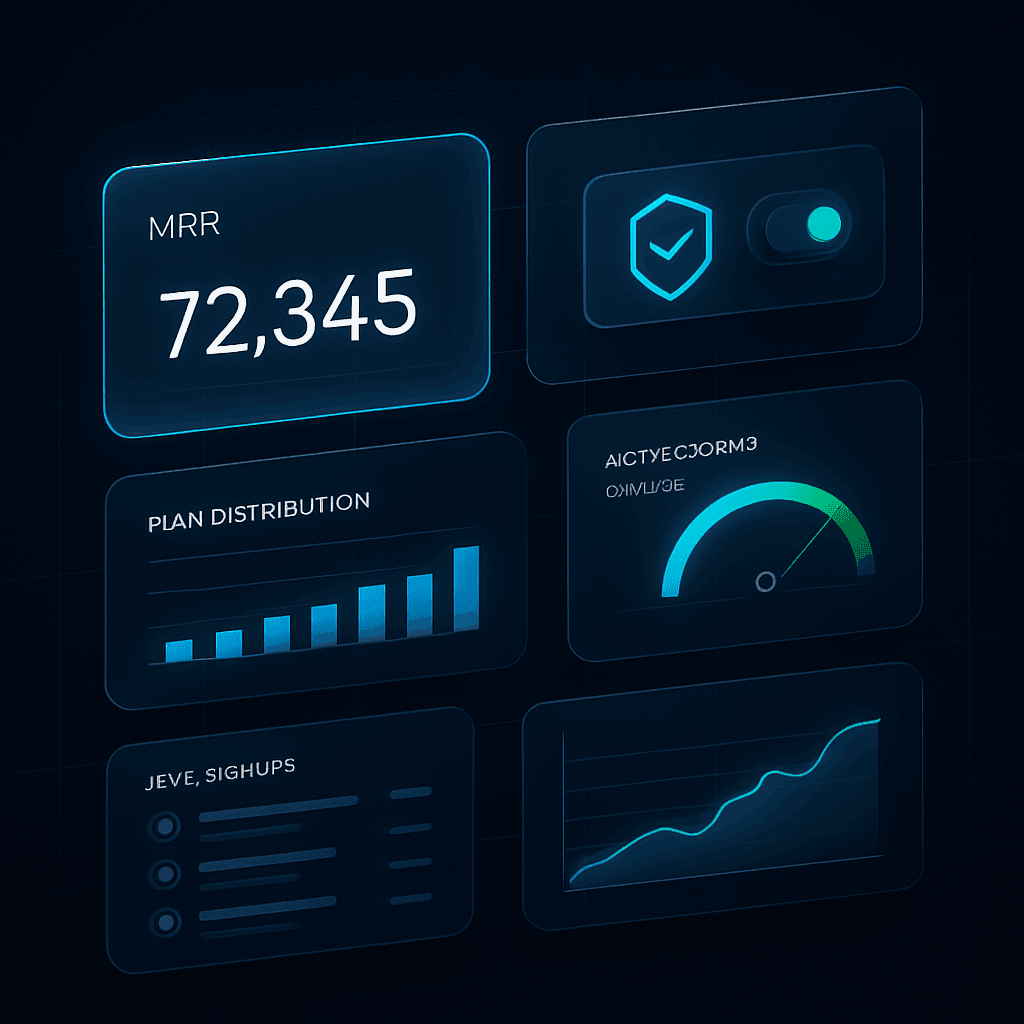
The owner dashboard: MRR, active organisations, plan distribution and live signups at a glance.
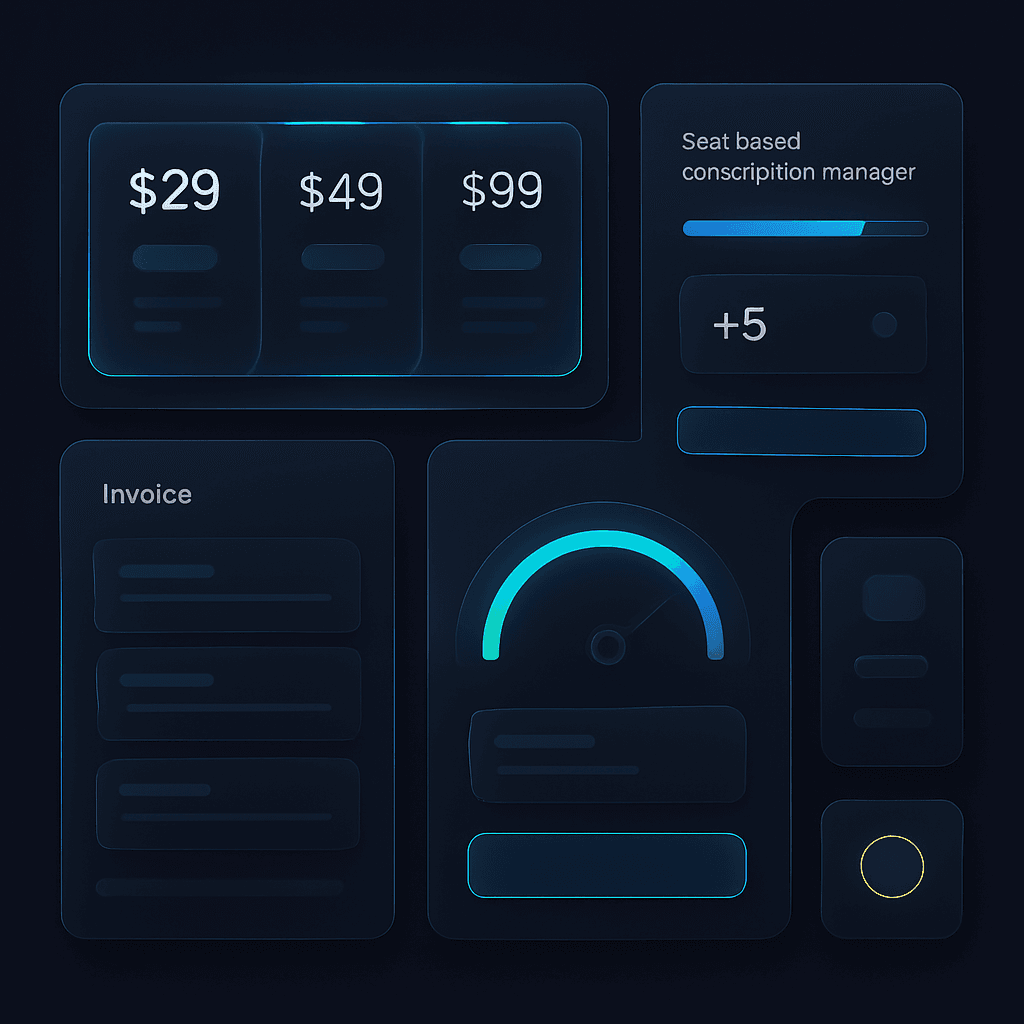
Stripe-native plan tiers, seat management, metered usage and invoices with a self-serve portal.
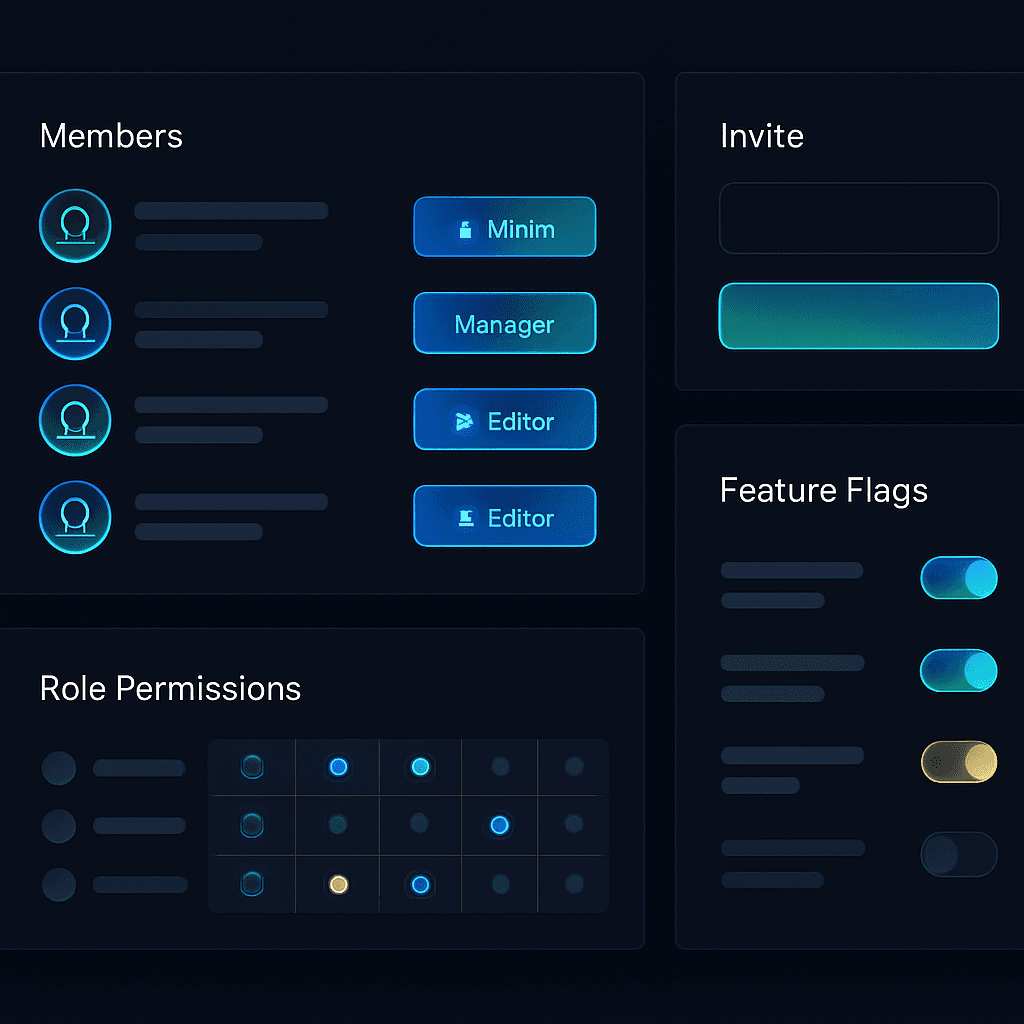
Organisation members, role badges, invites and a permission matrix with feature flags.
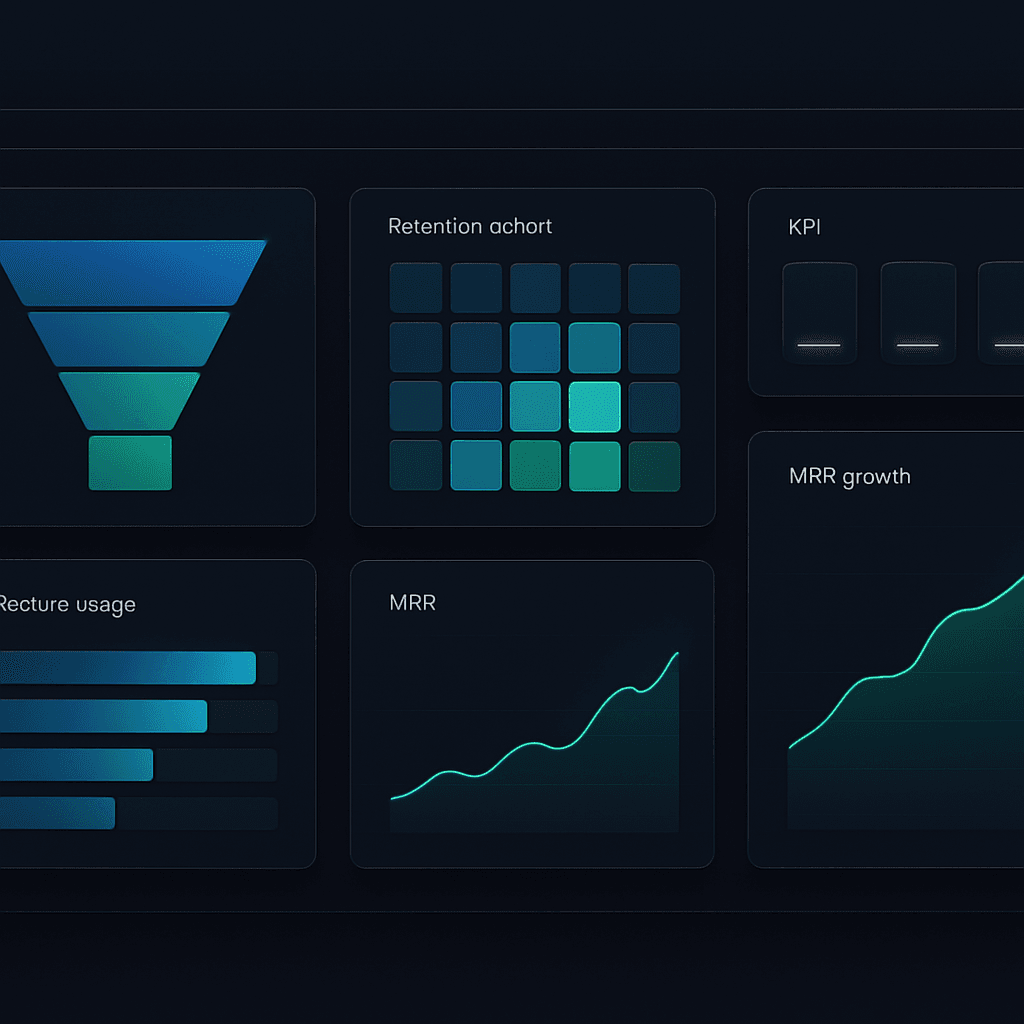
Activation funnels, retention cohorts and feature-usage insight so growth runs on data.
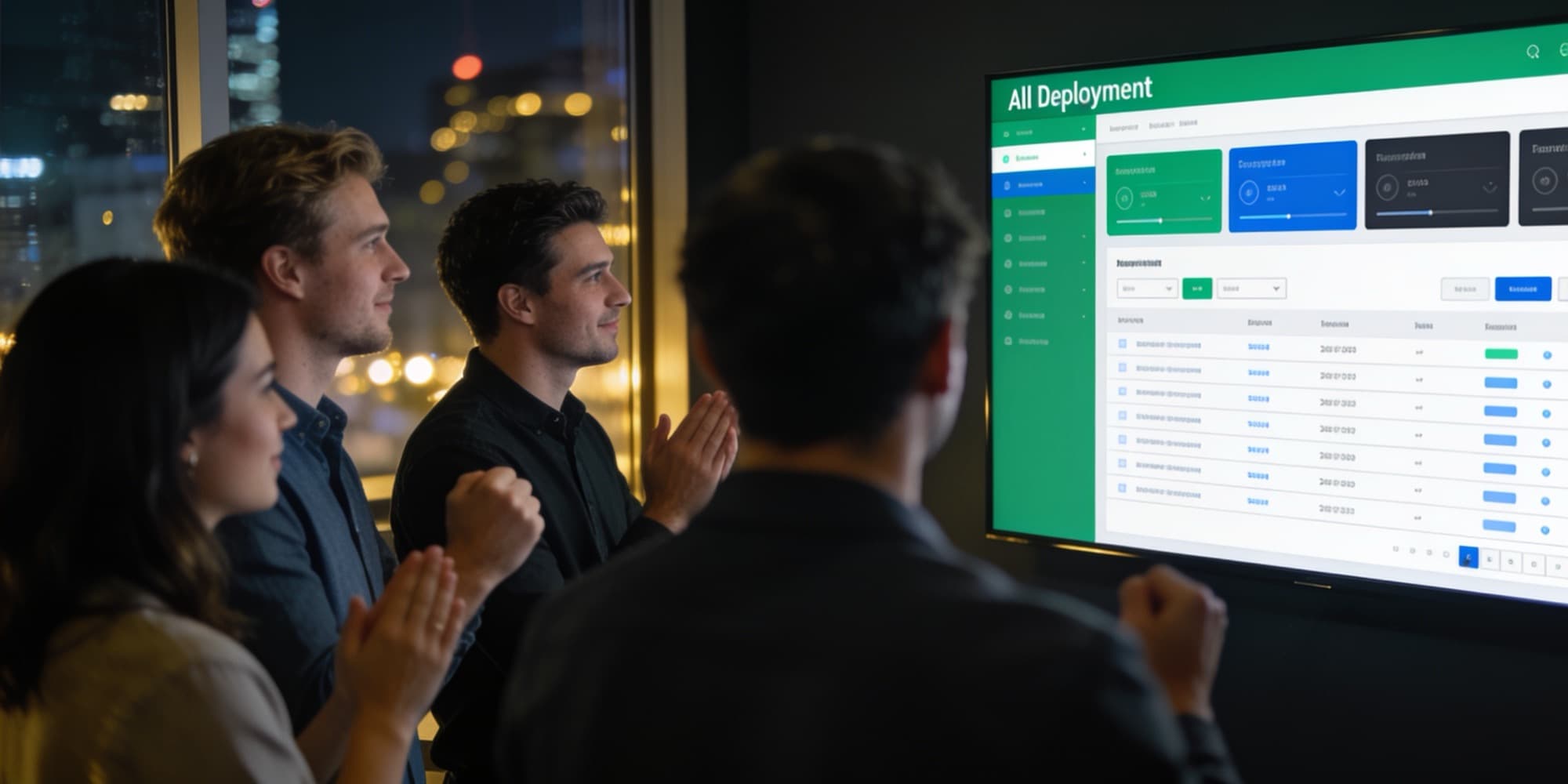
Ship day
Day one in production, with billing, roles and observability already wired.
What we build
From multi-tenancy and Stripe billing to roles, feature gating, product analytics and an admin console, every part is built into a codebase you own, with no platform lock-in.

Takes money from day one
Organisations, members and per-tenant data isolation enforced at the database with row-level security.
Stripe-native plans, seat-based and metered pricing, trials, proration, invoices and a billing portal.
Role-based access control, team invites, ownership transfer and granular permissions across every surface.
Plan-based feature gating and flags so you can ship, limit and price features without redeploying.
Activation funnels, retention cohorts and feature-usage events so pricing and onboarding run on data.
An internal admin console with safe impersonation, audit logging and the controls to support customers.
No lock-in. The stack we build your SaaS on, all of it yours to own and extend.
FAQ
It is a paying product with the foundations that decide whether it scales: multi-tenancy, subscription billing, roles and product analytics, built on Next.js and a Postgres database. It is the smallest version that can safely take money and grow without a rewrite.
Because both touch every table and every route. Retrofitting multi-tenancy or billing onto a prototype usually means a large, risky refactor under live customer load. Designing them in from commit one is dramatically cheaper and safer.
Every table is scoped by organisation and protected with row-level security, and requests pass through a gateway that stamps the org context. Isolation is enforced at the database, not just in application code, so a single bug cannot leak data across tenants.
Stripe-native flat-rate plans, per-seat pricing, metered and usage-based billing, free trials, proration on upgrades and downgrades, invoices and a self-serve customer billing portal. The MRR simulator on this page reflects the model we wire in.
Yes. You own the repository, the database and every integration. There is no platform lock-in and no per-seat tax to a third-party app builder, you can host it and evolve it however you like.
Next.js with the App Router and React Server Components, a Postgres database with row-level security, Stripe for billing, and product analytics. The same modern, owned stack we use across every service.
Often, yes. We audit the prototype, map what is safe to keep, and add the tenancy, billing and analytics foundations around it, rather than throwing away working product.
We instrument activation, retention and feature-usage events with a privacy-conscious setup, scoped per tenant, so you get the funnel insight you need without mishandling customer data.
Ready to build your SaaS?
Bring the napkin sketch. A senior engineer maps it to tenancy, billing and a launch window, on a 15-minute call.

